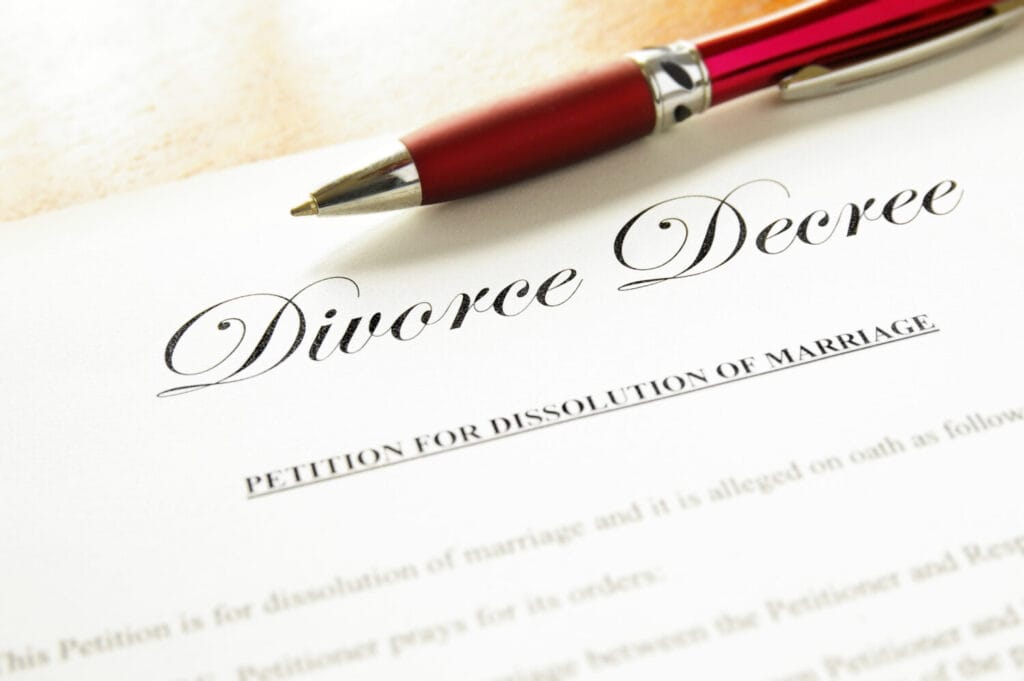
Understanding the reasons for divorce in Canada is crucial for anyone considering a divorce application. The law recognizes three main grounds for divorce: living separate and apart for at least one year, adultery, or cruelty. While you can apply for divorce at any time on the latter two grounds, finalizing the process requires meeting certain legal conditions, including child support arrangements.
A family law lawyer plays a key role in guiding spouses through the divorce process in Canada, ensuring compliance with the Divorce Act and exploring reconciliation options.
At Progressive Legal Solutions, our experienced lawyers provide tailored legal advice to help you navigate your divorce case smoothly. Contact us today to discuss your options.