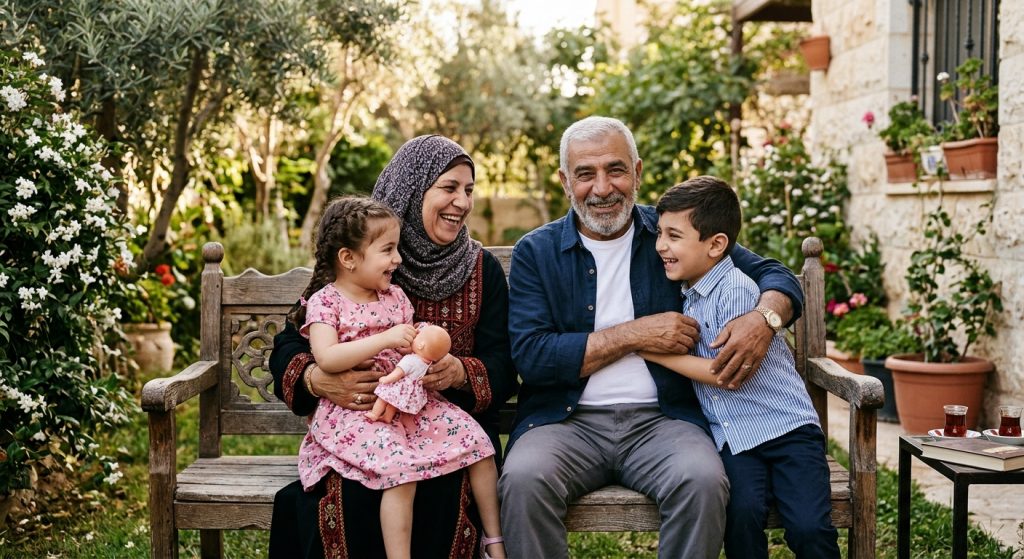
Grandparents can play an important role in a child’s life, providing love, stability, family connection, and support. However, when parents separate, family relationships become strained, or a parent limits contact, grandparents may wonder whether they have a legal right to continue seeing their grandchildren.
In Ontario, grandparents do not have an automatic legal right to parenting time or contact with their grandchildren. However, the law does recognize that maintaining a relationship with grandparents may be in a child’s best interests. In certain circumstances, grandparents may ask the court for an order allowing them to spend time with a grandchild.
Understanding the difference between parenting time and contact, and how courts assess a child’s best interests, can help grandparents understand their legal options.
Do Grandparents Have Legal Rights in Ontario?
Ontario law allows grandparents to apply to court for an order providing contact with their grandchildren. However, this does not mean grandparents automatically have a right to visit, communicate with, or make decisions for a grandchild.
Under section 21(3) of Ontario’s Children’s Law Reform Act (CLRA), any person other than a parent, including a grandparent, may apply for a contact order. The court will decide whether an order is appropriate based on the child’s best interests.
This means that a grandparent’s relationship with a child is legally relevant, but it does not guarantee that a court will order contact. The child’s needs, safety, stability, and existing family relationships remain central to the decision. Ontario+1
Parenting Time vs. Contact: What Is the Difference?
Ontario family law distinguishes between parenting time and contact.
Parenting time generally refers to the time a parent spends with a child and the associated rights and responsibilities during that time. Parents may have parenting time under a court order or agreement.
Contact refers to time a child spends with someone other than a parent, such as a grandparent. It may include in-person visits, telephone calls, video calls, or other forms of communication.
Grandparents will generally seek a contact order rather than a parenting-time order. A contact order can set out the nature, frequency, and conditions of the relationship, depending on what the court considers appropriate.
For example, an order might provide for:
- Regular in-person visits.
- Telephone or video calls.
- Visits on birthdays or holidays.
- Communication through an agreed-upon method.
- Supervised or otherwise structured visits, where appropriate.
The court can tailor the order to the child’s circumstances. Ontario+1
When Can a Grandparent Apply for a Contact Order?
A grandparent may consider applying for a contact order when they have been prevented from maintaining a relationship with their grandchild and believe that continued contact would benefit the child.
These situations can arise in several ways, including:
- Following a separation or divorce: A disagreement between parents may affect the child’s relationship with one or both sides of the extended family.
- Family conflict: A disagreement between a parent and grandparent may result in contact being restricted or stopped.
- The death of a parent: A surviving parent may limit the child’s relationship with the deceased parent’s family.
- Changes in family circumstances: Relocation, new relationships, or other significant changes may affect a grandparent’s ability to see a child.
There is no automatic entitlement to contact in any of these situations. A grandparent must demonstrate why the requested contact would be in the child’s best interests. The court will consider the circumstances of the individual family rather than simply the grandparent’s desire to maintain a relationship.
How Do Ontario Courts Determine Whether Contact Is in a Child’s Best Interests?
The child’s best interests are the central consideration in any application for a contact order.
Section 24 of the CLRA requires the court to consider all relevant circumstances of the child, giving primary consideration to the child’s physical, emotional, and psychological safety, security, and well-being.
Some of the factors the court may consider include:
- The existing relationship: The nature and strength of the child’s relationship with the grandparent.
- The child’s needs and stability: Whether contact would support the child’s emotional well-being and need for consistency.
- The child’s views and preferences: Depending on the child’s age and maturity, their wishes may be given appropriate weight.
- Family relationships: The child’s relationships with parents, siblings, grandparents, and other important people in their life.
- The history of care: The grandparent’s past involvement in the child’s upbringing and care.
- Safety concerns: Any history of family violence, abuse, or other circumstances that could affect the child’s well-being.
- The proposed contact arrangement: Whether the requested schedule and conditions are practical and appropriate for the child.
The court does not decide a contact application based solely on whether the grandparent and child love one another or whether the grandparent has been treated unfairly by a parent. The focus remains on what arrangement would best support the child. Ontario+1
Does It Matter Whether the Parents Are Married or Divorced?
The legislation that applies can depend on the parents’ circumstances.
Under Ontario’s CLRA, a grandparent may apply for a contact order without first obtaining leave of the court. The Act also allows a non-parent, including a grandparent, to apply for a parenting order concerning decision-making responsibility. However, most grandparents seeking to maintain a relationship with a grandchild will be concerned with obtaining contact rather than decision-making authority.
Where the matter falls under the federal Divorce Act, the process is different. A grandparent seeking a contact order generally needs to obtain the court’s permission, known as leave, before bringing the application. The court will consider the circumstances, including whether contact could take place during a parent’s existing parenting time.
The applicable legislation and procedure should therefore be considered before starting a court application. Ontario+1
What Evidence Can Help Support a Grandparent’s Application?
A grandparent considering a contact application should be prepared to explain the history of their relationship with the child and why continued contact would benefit the child.
Evidence may include:
- History of involvement: Records or examples showing how regularly the grandparent spent time with the child and their involvement in the child’s life.
- Communication history: Relevant messages, emails, or other communications between the grandparent and parents concerning contact.
- Relationship with the child: Examples of the emotional connection and activities shared between the grandparent and child.
- Proposed contact schedule: A practical plan outlining how often contact should occur, where visits would take place, and how transportation would be arranged.
- Relevant family circumstances: Information about any changes, disagreements, or events that have affected the grandparent’s relationship with the child.
The evidence should focus on the child’s needs and well-being rather than simply the conflict between the adults. A proposed arrangement that respects the child’s routine, existing parenting arrangements, and need for stability may help demonstrate that the requested contact is practical.
Can Grandparents Resolve Contact Disputes Without Going to Court?
Court proceedings are not always necessary to address disagreements about grandparent contact. Depending on the circumstances, families may be able to reach an arrangement through communication, negotiation, or mediation.
For example, parents and grandparents may agree on:
- Regular visits at mutually convenient times.
- Telephone or video calls between visits.
- Holiday and birthday arrangements.
- Visits that take place with a parent or another family member present.
- A gradual return to contact following a period of limited communication.
A written agreement can help clarify expectations and reduce future misunderstandings. However, an informal agreement is not the same as a court order and may not provide the same enforcement options.
Where communication has broken down or an agreement cannot be reached, a grandparent may wish to obtain legal advice about whether a court application is appropriate.
Can a Grandparent Obtain Decision-Making Responsibility for a Grandchild?
In certain circumstances, a grandparent may apply for decision-making responsibility under Ontario’s CLRA. Decision-making responsibility refers to the authority to make significant decisions about a child’s well-being, including matters involving health, education, and cultural or religious upbringing.
This is different from a contact order, which concerns the grandparent’s ability to spend time or communicate with the child.
A grandparent seeking decision-making responsibility would need to demonstrate why that arrangement is in the child’s best interests. The court will consider the child’s circumstances, including their existing care arrangements, relationships, needs, and safety.
A grandparent’s desire to be involved in a child’s life does not, by itself, establish that they should have decision-making authority. The court’s focus remains on the child’s best interests. Ontario+1
Frequently Asked Questions
Parents generally make decisions about their children’s relationships and activities. Grandparents do not have an automatic right to visits. However, a grandparent may apply for a contact order if they believe continued contact would be in the child’s best interests.
No. A separation or divorce does not automatically give grandparents a right to visit their grandchildren. However, grandparents may seek a contact order if they believe contact is in the child’s best interests.
A grandparent may apply for a contact order even if one or both parents oppose the application. However, the court will consider the reasons for the parents’ position and all relevant circumstances before deciding whether an order should be made.
Yes. A grandparent may propose holiday visits, birthday visits, or other regular contact as part of a requested arrangement. Whether the court orders those visits will depend on the child’s best interests and the circumstances of the family.
A grandparent is not necessarily required to have a lawyer to bring an application. However, family law proceedings can involve complex legal and procedural requirements. Obtaining legal advice can help grandparents understand the applicable legislation, prepare evidence, and assess their options.
Key Takeaways
- Grandparents in Ontario do not have an automatic legal right to see their grandchildren.
- Under the Children’s Law Reform Act, grandparents may apply for a contact order.
- A contact order may provide for in-person visits, telephone calls, video calls, or other forms of communication.
- The court considers the child’s best interests, including the nature and strength of the relationship with their grandparents.
- Under the federal Divorce Act, grandparents generally need leave of the court before applying for a contact order.
- Mediation and negotiation may help families resolve contact disputes without court proceedings.
