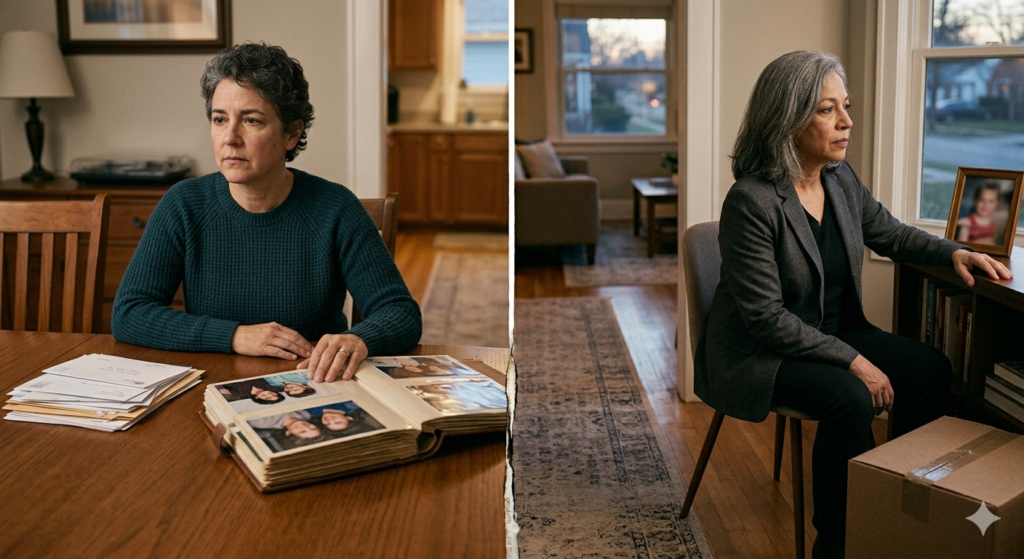
Separation does not automatically require paperwork. In Ontario, many couples separate and simply begin living apart without signing agreements, filing court documents, or formally “registering” anything. It is possible for couples to be separated but still legally together.
But what happens if you walk away from the relationship and never deal with the legal side?
The answer depends on time, property, children, and money — and on what issues remain unresolved.
You Do Not Need “Separation Papers” to Be Separated
Under Canadian law, separation happens when at least one spouse decides the relationship is over and the couple begins living separate and apart. Couples can often find themselves separated but still legally together, especially if no paperwork is filed.
There is no requirement to file a document to make it official.
Under the Divorce Act, one year of separation is the most common ground for divorce. That one-year clock begins when you are living separate and apart — even if nothing is filed in court.
Property: The Clock May Be Ticking
If you were legally married, Ontario’s property division rules fall under the Family Law Act.
In Ontario:
- Married spouses generally have two years from the date of divorce to bring a property equalization claim.
- However, it is often risky to delay sorting out property issues, especially if assets are being sold, refinanced, or significantly changing in value.
If you never address property formally:
- Assets may remain jointly owned.
- Debts may still legally bind both parties.
- Financial entanglement continues.
For common-law couples, property division works differently. There is no automatic equalization scheme.
Support: Rights Don’t Automatically Disappear
Spousal support and child support do not vanish simply because paperwork was never filed.
Child support is considered the right of the child. Under both the Divorce Act and the Family Law Act, a parent can seek child support even years after separation. Courts can also order retroactive child support in certain circumstances.
Spousal support claims also have limitation periods, but waiting too long can complicate matters.
If one person has been financially supporting the other informally, that arrangement may later be scrutinized. Sometimes, parties remain separated but still legally together while negotiating support details.
Parenting: Informal Arrangements Can Become the Status Quo
If you have children and you separate without a written agreement or court order:
- Your parenting arrangement becomes whatever you are actually doing in practice.
- That arrangement can gradually become the “status quo.”
- Courts often give weight to established routines when determining parenting time and decision-making responsibility.
If you are unhappy with how parenting time evolved after separation but waited years to address it, changing that arrangement later may be more difficult.
The guiding principle in parenting matters is the best interests of the child under the Divorce Act.
Taxes, Benefits, and Government Records
Even without court involvement, separation affects:
- Canada Revenue Agency marital status
- Child-related benefits
- Tax filings
- Pension entitlements
You are required to update your marital status with the Canada Revenue Agency once separated for 90 days.
Failure to do so can create repayment issues later.
FAQ
No. Separation occurs based on living separate and apart with the intention to end the relationship. An agreement is not required, though it is often advisable.
Verbal agreements can be difficult to enforce. Over time, memories differ and circumstances change.S
You can wait — but limitation periods may apply, and delay can weaken your position.
Many separations remain amicable for years — until a triggering event occurs (a new partner, sale of a home, financial hardship). The absence of conflict today does not eliminate legal rights tomorrow.
No. You remain legally married until you obtain a divorce order from the court. Some couples stay separated for many years without divorcing.
However, you cannot remarry without a divorce.
Key Takeaways
- You do not need paperwork to be separated.
- You remain legally married until divorced.
- Property, support, and parenting rights can continue long after separation.
- Limitation periods and financial risks may apply.
- Informal arrangements can become entrenched over time.
Taking no legal steps is a choice — but it is still a choice with legal implications. In summary, separation often means couples are separated but still legally together, with ongoing rights and responsibilities.
